What We See Most in Austintown
We serve homeowners along Mahoning Avenue, near the Austintown Plaza and Austintown Commons corridors, in neighborhoods adjacent to Austintown Township Park, and throughout subdivisions near the MetroParks Bikeway. Whether you need a full roof replacement, a new roof installation, or a storm-damage inspection, we keep Austintown homes protected year-round.
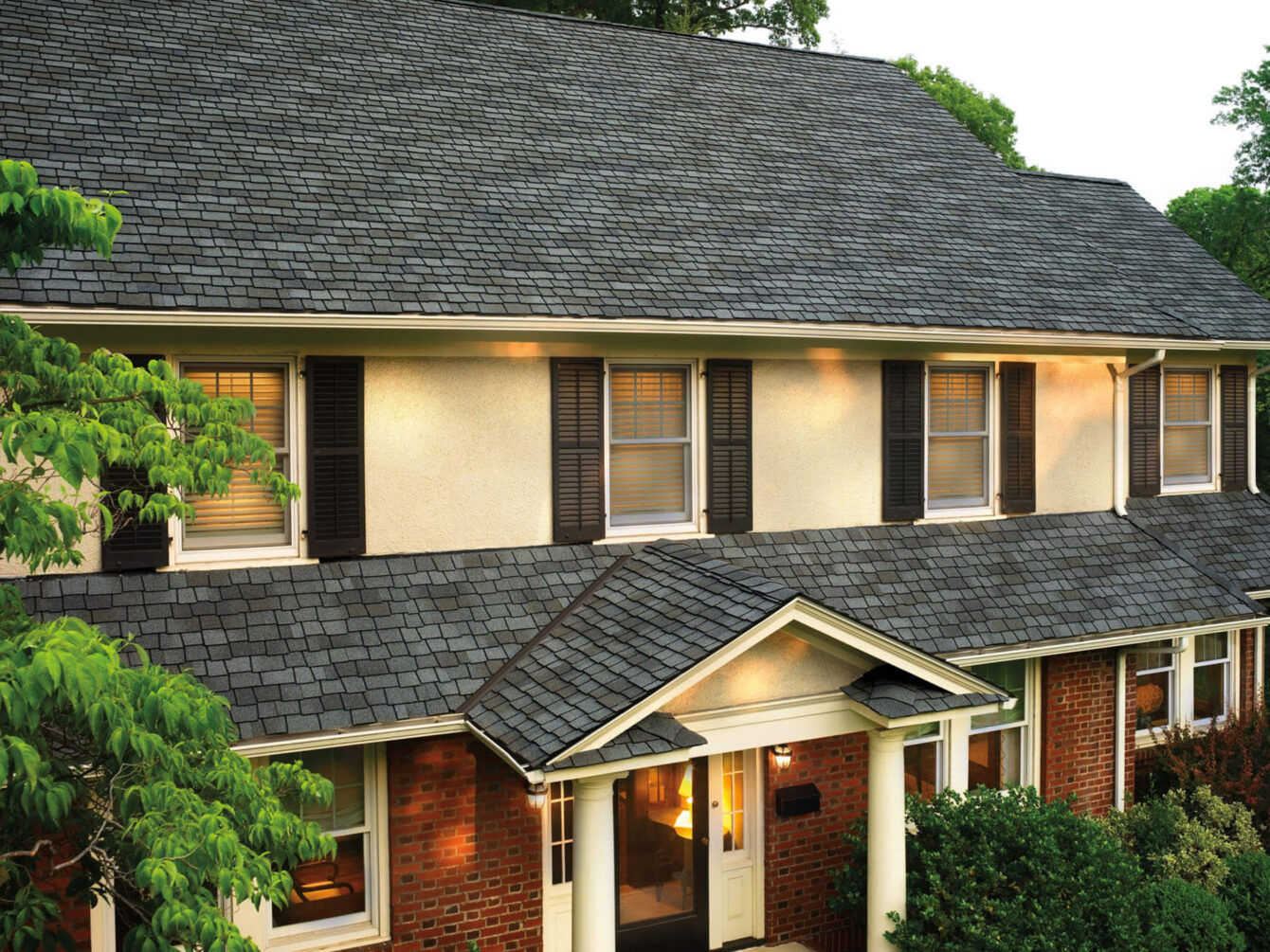
- Lake-effect snow and ice dams: Austintown’s ranch-style homes carry low-sloping rooflines that hold snow loads longest and concentrate ice dam formation at eave lines when interior heat escapes through inadequately ventilated attic spaces. Ice dams push meltwater back under shingles and into wall assemblies, causing ceiling stains, peeling paint, and saturated insulation long before the roof surface itself shows visible signs of failure. The township’s two-story Colonial Revivals carry complex valley intersections where freeze-thaw cycles repeatedly stress flashing points not designed for decades of Ohio winter conditions.
- UV heat and material breakdown: Austintown’s seasonal temperature swing puts asphalt shingles through repeated thermal expansion and contraction that breaks down sealant adhesion and causes progressive granule loss. South-facing slopes on mid-century ranches and newer Colonial Revivals absorb the heaviest UV load and show accelerated deterioration compared to north-facing sections on the same roof. Homes where this differential wear has gone uninspected often have shingle systems that appear sound from the street but are well past the point of reliable protection.
- Low-slope sections and water intrusion: Ranch-style and split-level homes throughout Austintown have low-pitch sections over attached garages and rear additions where drainage is slow and ice accumulates against vertical wall flashing throughout the winter. When these sections were not installed with proper ice-and-water protection, they become the predictable source of interior water events that recur at the same locations every year until the issue is structurally addressed rather than patched.