Roofing Contractors in Hudson, OH
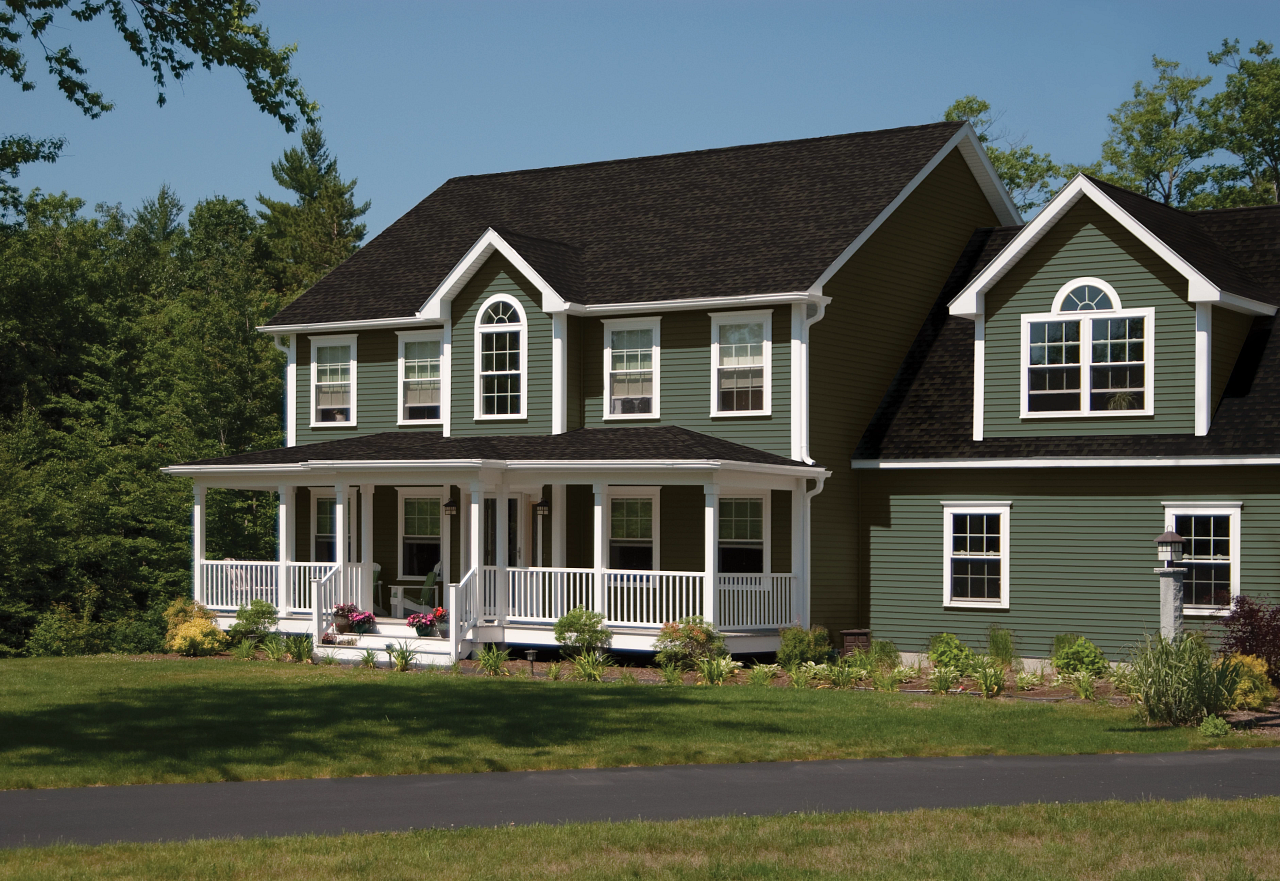
In Hudson, heavy snowfall, high humidity, and persistent freeze-thaw cycles put significant stress on roofs, especially the historic Colonials in the Connecticut Western Reserve downtown, the large two-story homes in newer neighborhoods, and the custom-built properties that sit on expansive lots throughout the city’s outer corridors. Hudson sits in Summit County, between Cleveland and Akron, where winter systems, including lake-effect events that track south from Lake Erie, deposit heavy, wet snow on homes ranging from 200-year-old historic properties to recent construction. The city’s broad mix of housing generations means each property faces roofing challenges shaped by its own era of construction and exposure. Our roots date back to 1973, and we know what causes leaks, shingle failure, and structural damage in Summit County.
What We See Most in Hudson
We serve homeowners in Historic Hudson, Hudson Park Estates, Newell Creek, the Pinebrooke neighborhood, and communities near Barlow Farm Park and Hudson Green. Whether you need a full roof replacement, a new roof installation, or a storm-damage inspection, our local roofing company keeps Hudson homes protected year-round.
- Severe storms → shingle loss: Hudson’s winter systems drive heavy accumulations onto the steeply pitched rooflines of the city’s historic Colonials and the large two-story homes throughout newer developments, where complex valley systems, multiple dormers, and chimney intersections create concentrated drainage points under snow and ice loads. Ice dams at eave lines, particularly in older homes where attic ventilation has never been updated, push meltwater under shingles and into wall assemblies, causing interior damage that residents of well-maintained properties often attribute to isolated repair issues rather than to systemic underlayment or flashing failures. Summer hail and thunderstorm activity adds further stress to shingle systems already taxed by winter.
- UV heat → material breakdown: Hudson’s temperature range cycles asphalt shingles through repeated thermal expansion and contraction that progressively weakens sealant adhesion and drives granule loss on south-facing slopes. Historic Colonials and Capes near downtown feature shingle systems that have undergone decades of this cycling, while the city’s newer large two-story homes often have south-facing ridge lines and broad, unbroken roof planes that accelerate UV degradation in ways easy to miss on casual inspection.
- Poor roof pitch/valleys → water intrusion: Hudson’s older Colonial and Cape Cod homes feature complex rooflines with multiple valley intersections where decades of freeze-thaw cycling have stressed original flashing details. On homes where valley flashing has not been updated, heavy spring rains drive water into the structure at the same locations every season, quietly compounding damage to decking and framing until a comprehensive repair becomes unavoidable.