Youngstown, Ohio: Local Weather & Roofing Needs
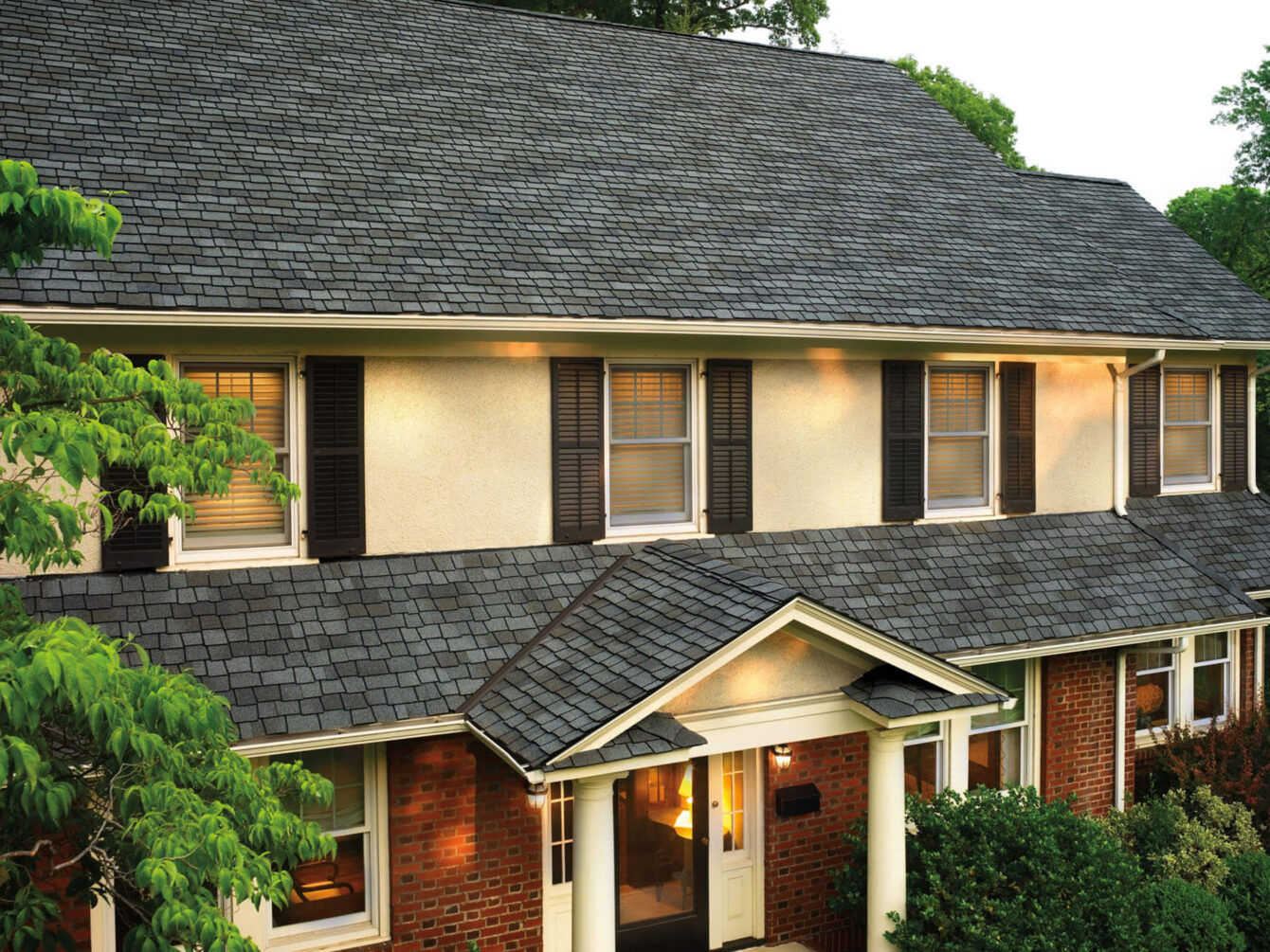
Youngstown sits in the Mahoning Valley about 75 miles southeast of Cleveland, far enough from Lake Erie that it does not get the heavy lakefront snowfall of communities closer to the shoreline. It averages around 40 inches of snow per year, but the lake-effect influence it does receive comes in sustained multi-day accumulation events rather than single large storms, and the valley’s cold air pooling creates freeze-thaw conditions that cycle more frequently than the snowfall totals alone would suggest. The city’s most distinctive roofing challenge is its housing stock. Large concentrations of early-1900s worker housing, built during Youngstown’s steel industry peak, have steep multi-gabled rooflines now approaching 100 years old. Those structures have been through a century of Mahoning Valley winters, and their original systems show it. We have protected homes across Northeast Ohio since 1994, backed by experience dating to 1973, and know what it takes to keep Youngstown roofs intact.
What We See Most in Youngstown
We serve homes near Mill Creek Park, neighborhoods in Boardman, Poland, Canfield, Austintown, and Struthers, as well as residential streets throughout the city of Youngstown. Whether you need a full roof replacement, new roof installation, or storm-damage repair, we keep Youngstown homes protected through every season.
- Early-1900s worker housing with original or near-original plank decking is approaching 100 years of Mahoning Valley freeze-thaw exposure: Homes built between 1900 and 1930 in Youngstown’s established neighborhoods have wood plank decking that has been through a century of winter accumulation and spring melt. That decking does not fail uniformly. It develops hollow sections, delaminated layers, and compromised zones around original fastener points that only show up under direct inspection. Installing new shingles over failing plank decking without a full structural assessment produces a roof that separates from below within the first five to seven years.
- Mahoning Valley cold air pooling produces freeze-thaw cycling frequency well above what the annual snowfall total would suggest: The Mahoning Valley collects and holds cold air in ways that flat terrain does not, cycling temperatures above and below freezing dozens of additional times per winter compared to open-terrain communities with similar snowfall averages. Each cycle works metal flashings loose at seam intersections and works moisture deeper into any gap in the shingle-to-deck connection. The cumulative effect over a heating season is more flashing failure and more underlayment saturation than a homeowner who tracks only visible storm events would expect.
- Steep multi-gabled rooflines on early-20th-century homes create high valley counts and complex dormer transitions that require specific experience to address correctly: The worker cottages, foursquares, and colonial revival homes that fill Youngstown’s historic neighborhoods have rooflines with four to eight intersecting planes. Each valley intersection holds snow from November through March, delays drainage during spring rain events, and is a seam that requires maintenance every few years to keep sealants and step flashings intact. A contractor without specific experience on this type of roofline will apply standard residential techniques at these transitions and create slow leaks that are not traceable to the installation until interior damage becomes visible.
Why Youngstown Homeowners Trust Us
Youngstown residents choose A. Caspersen Company because the Mahoning Valley’s inland climate and the city’s concentration of century-old housing create a set of roofing demands that require more than surface-level work. We inspect structural condition, assess flashing integrity on complex early-20th-century rooflines, and account for valley cold air pooling when specifying underlayment and ventilation. Our team has replaced thousands of roofs throughout the region and brings the specific experience that Youngstown’s housing stock requires.
What Goes Into a Full Roof Replacement
A full roof replacement is more than pulling off old shingles and nailing down new ones. Before any new material goes on, a proper replacement requires a full inspection of your decking, underlayment, flashing, and ventilation system. Skipping those steps causes early failure regardless of the quality of material installed.
Every replacement we perform includes:
- Inspection of roof decking for rot, soft spots, and structural compromise
- Replacement of damaged decking sections before new material is installed
- Installation of underlayment to create a water barrier beneath the shingle layer
- Correct flashing at every penetration point, including chimneys, vents, skylights, and wall transitions
- A ventilation check to confirm your attic system is balanced before the roof is closed
Signs You May Need a Roof Replacement
- Shingles that are curling, cracking, or missing in multiple sections
- Granule loss collecting in your gutters after rain
- Daylight visible through your attic boards or framing
- Water stains on interior ceilings or walls following heavy rain
- A roof that is 20 or more years old, even if it appears acceptable from the ground
Roofing Materials We Install
The material you choose affects how long your roof performs, how it handles local weather conditions, and how your home looks from the street. We install three primary roofing systems.
Asphalt Shingles
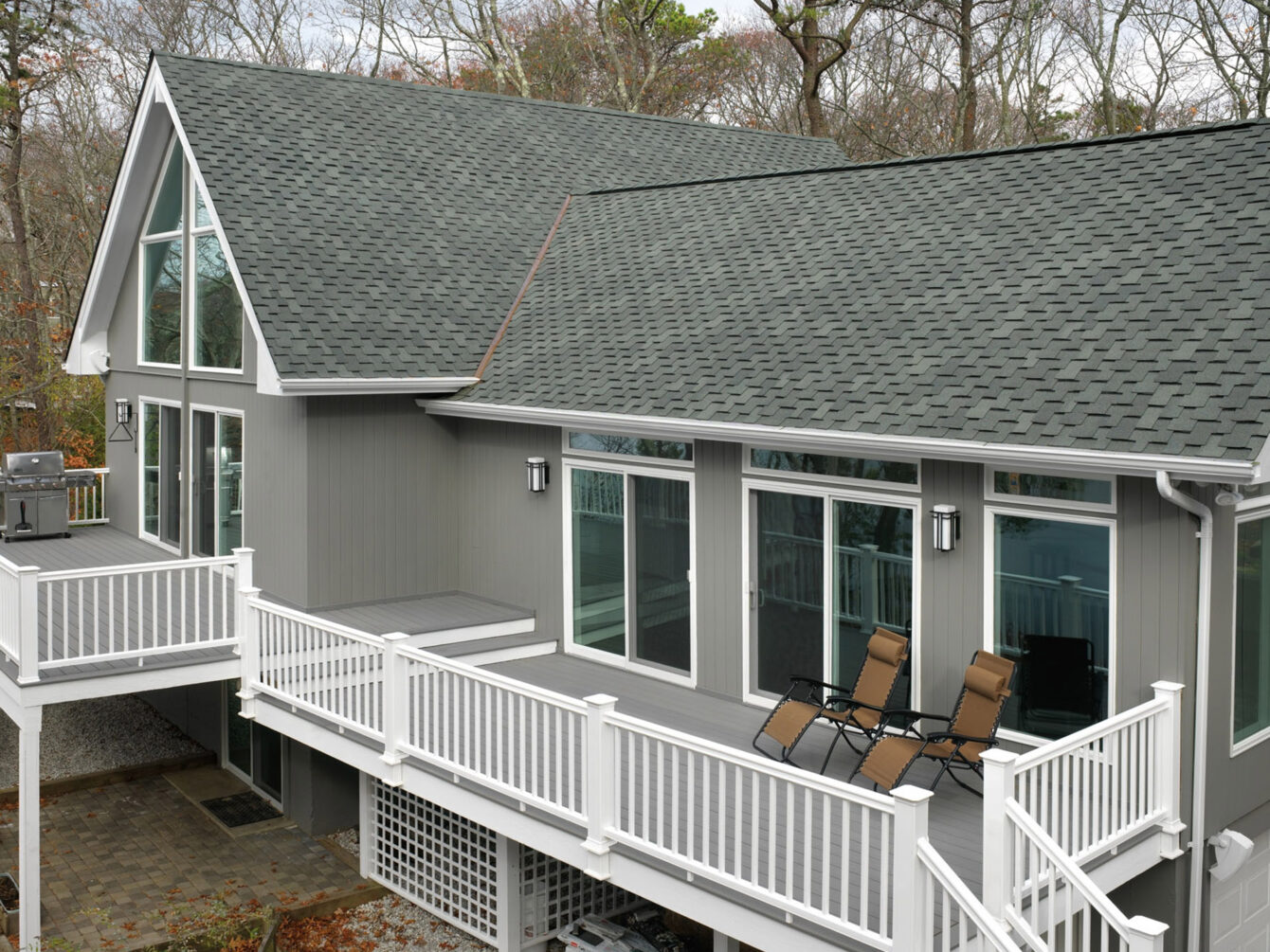
Asphalt shingles are the most widely installed roofing material in the country. They are cost-effective, available in a wide range of colors and profiles, and perform well across most climate conditions. We install three-tab and architectural asphalt shingles from GAF, Owens Corning, and CertainTeed.
Metal Roofing
Metal roofs last significantly longer than asphalt under most conditions. They hold up better against wind, rain, snow, and hail, and they do not support moss or algae growth. We install metal roofing products from Unified Steel, which carry manufacturer-backed performance warranties.
Stone-Coated Steel
Stone-coated steel combines the strength and longevity of a metal system with the appearance of traditional roofing materials. It handles impact and wind load better than standard asphalt and carries a longer expected service life.
Why Roof Ventilation Matters
Poor attic ventilation is one of the most common causes of early roof failure, and most homeowners do not know it is happening until damage is already done. When heat and moisture build up inside your attic, they break down decking integrity and shingle adhesive from the inside out. This shortens the life of your roof and can void manufacturer warranties if the system does not meet ventilation specifications.
We inspect and correct ventilation on every roof replacement we perform. A properly balanced system moves air continuously through your attic, reduces heat buildup in summer, limits ice dam formation in winter, and protects the materials we install over the long term.
Storm Damage Roof Repairs
Storm damage is not always visible from the ground. Missing shingles, cracked tabs, and displaced flashing are easy to spot. Fastener failure, compromised underlayment, and deck damage are not. Waiting on storm damage leads to water intrusion, mold growth, and structural problems that cost significantly more to fix than the original repair would have.
Our team performs full post-storm inspections to find both visible and hidden damage. We document what we find, explain what needs to be repaired or replaced, and provide a written estimate before any work begins.
Common storm damage we address:
- Missing or displaced shingles
- Cracked or bruised shingle surfaces from hail impact
- Lifted or separated flashing at chimneys, vents, and wall transitions
- Gutter damage and fascia failure from high winds
- Water intrusion from underlayment that has been compromised
What to Look for When Hiring a Roofing Contractor
Not every roofing company operates the same way. Before you hire anyone to work on your home, verify the following.
- Licensing and insurance: A licensed, insured roofing contractor protects you if something goes wrong during the job. Ask for documentation of both before you sign anything.
- Manufacturer certifications: Contractors certified by manufacturers like GAF or Owens Corning are trained to meet installation standards and can offer extended warranty coverage that non-certified contractors cannot provide.
- Written estimates: A legitimate roofing company gives you a written estimate that breaks down materials, labor, and scope before work begins. Verbal agreements leave you with no recourse.
- Verifiable local track record: A roofing contractor with years of completed work in your area has a history you can check. Ask for references and look at reviews tied to specific communities.
- No pressure to sign immediately: Any roofing company pushing you to commit on the spot or claiming an offer expires today is not acting in your interest.
Get a Free Roof Inspection
We provide free roof inspections for homeowners throughout the region. Whether you have visible damage, suspect a problem, or simply want to know the actual condition of your roof before it becomes urgent, we will come out, assess what we find, and give you a direct answer about what your roof needs.
Contact us today to schedule your inspection.